

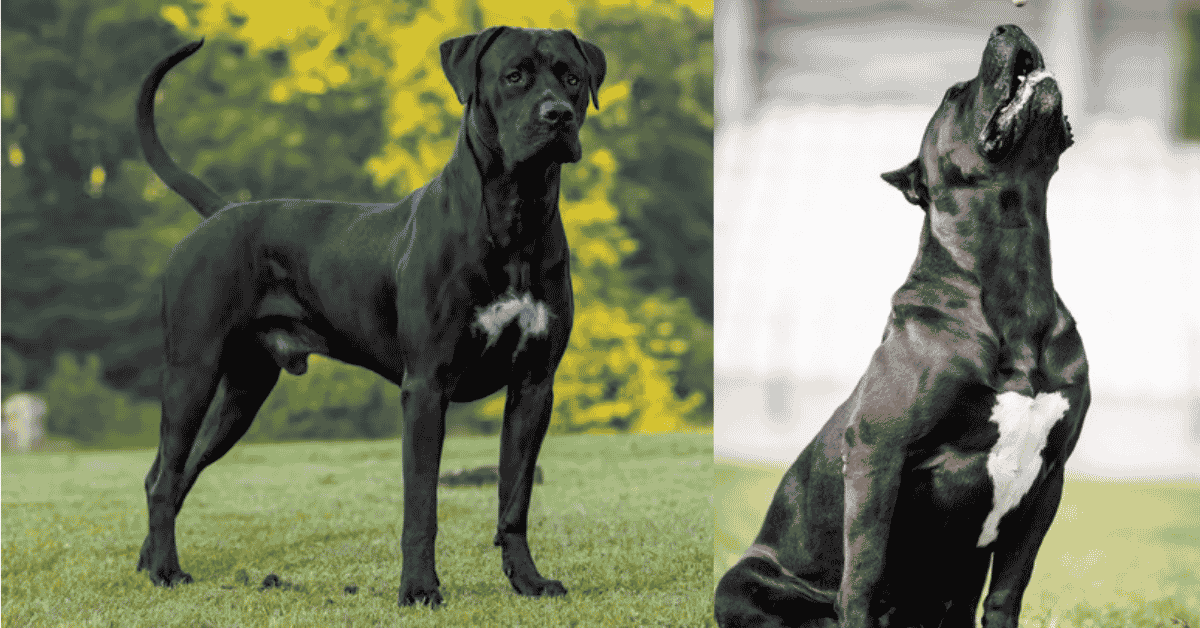
Let me guess how this started. You saw one broad head, that calm, heavy-lidded stare, all that muscle moving slow and easy and something just clicked. I’ve been there. The Presa Canario is a genuinely stunning animal. But here’s what a straight-talking friend would tell you over coffee before you go any further: this is not a “bring home on a Saturday whim” dog. Loyal? To a fault. Protective? Down to the bone. Easy? Not even a little. So before you start scrolling through litters at midnight, let’s actually talk it through the brilliant parts, the hard parts, and the stuff those slow-motion puppy reels conveniently skip.
Meet the Perro de Presa Canario
Start with the name, because it quietly tells you everything. The full version is the perro de presa canario loosely, “Canary catch dog.” The breed comes from the Canary Islands, off the northwest coast of Africa, where it was built centuries ago to actually work for a living. Not gentle work, either: guarding property, moving and controlling cattle, standing watch over livestock.
That history isn’t trivia. It’s the whole personality. The perro de presa canario was shaped to be brave, territorial, and unshakeable when things got tense. A guardian, first and last. Sit with that for a second and the dog stops being a mystery. This isn’t a couch breed that happened to grow large it’s a working guardian wearing a family-dog costume, and the instinct underneath goes all the way down.
What the Presa Canario Dog Is Really Like
Okay, real talk. The presa canario dog has a temperament that’s a dream in the right house and a genuine headache in the wrong one. Same dog. Different outcome. The difference is almost always the owner.
At home with their people? Devoted. Affectionate. Weirdly mellow indoors, too they’ll flop down with a contented groan and keep one eye half-open on you. They bond hard, and raised right, they’re often patient and gentle with the kids they grow up alongside. A solid Presa is confident, not jumpy. It won’t bark at every passing leaf, because it has nothing to prove.
But that confidence rides shotgun with a serious protective streak. These dogs are suspicious of strangers by nature and territorial by default. Skip the early socialization and that wariness can curdle into something you really don’t want on the end of a leash. Which is the whole reason the Presa Canario gets filed under “experienced owners only.” They need someone calm, consistent, and clearly running the show a person they respect, not one they fear. If your training philosophy is “the dog will figure out the rules eventually,” do you both a kindness and pick a different breed.
Size, Looks, and the Presa Canario Black Coat
Let’s talk about that presence, because it’s a lot to take in person. The Presa Canario is a big molosser-type dog. Males usually land between 100 and 145 pounds and stand around 24 to 26 inches at the shoulder; females run a touch smaller, though “small” is doing heavy lifting in that sentence. The whole frame is muscle, capped off by that broad, blocky head you can pick out from across a park.
The coat is short, coarse, and refreshingly low-fuss. Color-wise, you’ll mostly meet fawn and brindle dogs, usually with a dark mask across the face. A presa canario black coat solid or near-solid black does show up and is accepted under some breed standards, just less often than the fawn and brindle. One honest heads-up: if a breeder is stacking a giant premium on a presa canario black pup and leaning hard on the word “rare,” raise an eyebrow. Color alone shouldn’t launch the price into orbit.
The quick physical snapshot:
- Weight: roughly 85–145 lbs, depending on sex and bloodline
- Height: about 22–26 inches at the shoulder
- Coat: short, easy, barely any grooming
- Lifespan: generally 9 to 11 years
Training and Socializing a Presa Canario
If you reread one section, make it this one. With this breed, training isn’t a side quest you get to later. It’s the main event, and it starts the day the puppy comes home.
Socialize early and don’t let up. Puppies need to meet all sorts of people, dogs, noises, and situations calmly, positively well before adolescence shows up and complicates everything. A Presa raised thoughtfully grows into a steady, level-headed adult that reads a room before reacting. One that’s been shut away or handled roughly can turn reactive, and at 130 pounds, “reactive” is not a minor inconvenience.
Keep it firm but fair, and reward-based. These dogs are sharp and learn quickly, but they’re independent thinkers who will test the fence line just to see if it’s still there. Consistency wins every time. Heavy-handed punishment tends to blow up in your face with a dog this strong-willed, so leave it out entirely. And there’s zero shame in hiring a trainer who actually knows guardian breeds plenty of great owners do exactly that.
Presa Canario Price: What You’ll Actually Pay
Now the money, because this is where people get blindsided. The presa canario price from a responsible, health-testing breeder usually sits somewhere between $1,500 and $3,500 here in the US, with show or working lines climbing higher.
But that’s just the cover charge. A dog this size puts away serious food, and the good stuff isn’t cheap. Stack on vet care, training, fencing that can genuinely hold a determined 130-pound dog, and circle this one liability insurance. Some homeowners’ policies restrict or flat-out exclude certain guardian breeds, which can quietly bump your premiums or gut your coverage. Run that math before you fall in love, not after. The presa canario price on the puppy is honestly the cheapest chapter of the whole book.
One more thing, and I’ll say it plainly: if someone’s offloading Presa pups way under market with no health testing and zero curiosity about your home, walk away. A good breeder grills you almost as hard as you’re grilling them. That interrogation is a green flag, not a red one.
Health and Care
For a giant breed, the Presa Canario is fairly tough, but a few things deserve a spot on your radar. Hip and elbow dysplasia top the list which is exactly why decent breeders test their stock and hand you the paperwork without being asked. And like a lot of deep-chested dogs, they can be prone to bloat, which is a true emergency. Smaller meals and no rowdy play right after eating is just plain sense.
Day to day, it’s manageable. That short coat needs only the occasional brush. Exercise is moderate but real a couple of good walks plus something to chew on mentally keeps them even-keeled. A bored, under-worked guardian dog invents its own job, and you will not like the job it picks. Don’t cut corners here.
Is the Presa Canario Right for You?
Time for the honest gut-check. The Presa Canario shines with a confident, experienced owner who has the time, the space, and the patience to socialize and train it properly. In that home, it’s a magnificent, fiercely loyal companion and a natural protector the kind of dog people remember.
It’s a rough fit for first-timers, for apartment life without serious effort, or for anyone hoping for a low-maintenance pet. Check your local rules and your insurance too, since some areas carry breed-specific regulations. Read all of that and still catch yourself nodding along? You might just be the right person for one of these remarkable dogs.
Frequently Asked Questions
Are Presa Canarios good family dogs?
They can be, in experienced hands. A well-socialized Presa is devoted and protective of its family, including kids it’s raised with but it needs committed training and isn’t a great pick for first-time owners.
How much does a Presa Canario cost?
Figure $1,500 to $3,500 from a responsible breeder, more for show or working lines. Food, vet care, and insurance pile on real ongoing costs.
Is the Presa Canario aggressive?
More protective and wary of strangers than inherently aggressive. Early socialization and steady training are what keep that instinct balanced.
What colors do Presa Canarios come in?
Mostly fawn or brindle, usually with a dark mask. A presa canario black coat exists and is accepted under some standards, but it’s less common.
How big does a Presa Canario get?
Males often hit 100–145 pounds and stand 24–26 inches tall; females run smaller. Make no mistake — it’s a large, powerful breed.
